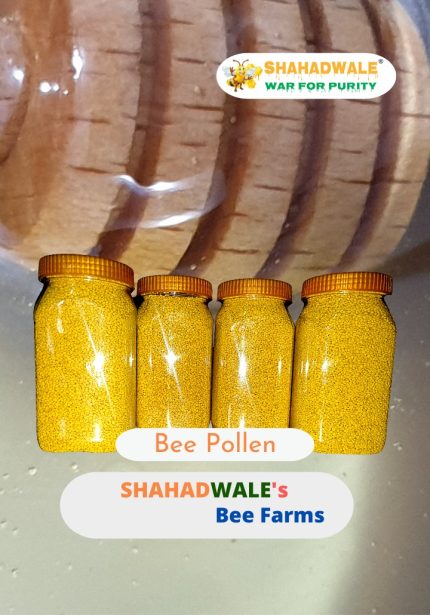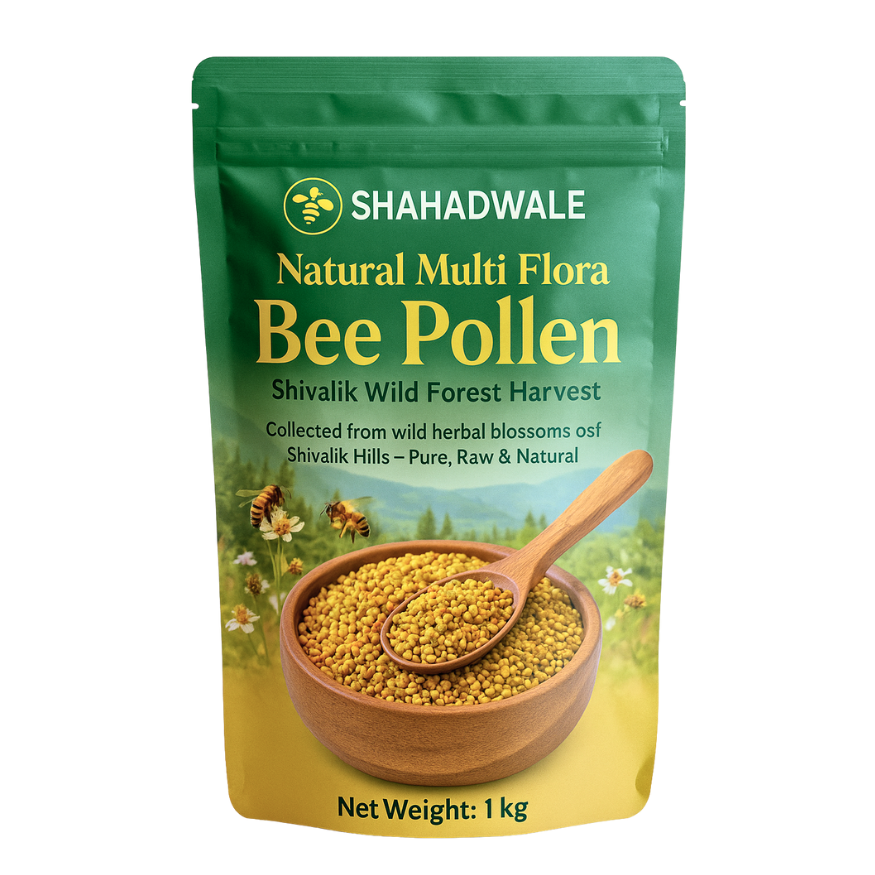
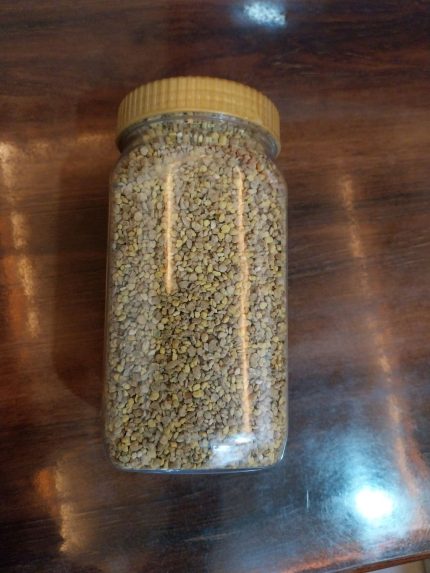
Multi Flora Bee Pollen | 1kg Natural Bee Pollen from Jammu | SHAHADWALE
Minimum Order Quantity: 1 pack
Most Popular:
- Multi Flora Bee Pollen – Naturally collected from diverse flowering plants
- 1kg Pack – Minimum order: 1 pack
- Source: Shivalik Forest Range, Jammu
- 18% GST Included
- Freight Charges Included
- Package Charges Included
- Free Home Delivery
SHAHADWALE Multi Flora Bee Pollen — 1kg Natural Pollen from Diverse Flowers
Come spring, bees at our farms in the Shivalik forest range of Jammu aren’t working just one flower — they’re moving across a whole mix of blooming plants and trees, and what they bring back is this Multi Flora Bee Pollen. Because it comes from so many different sources rather than a single crop, every batch carries its own particular granule colour, aroma, and flavour, shaped by whatever was actually flowering that season.
Where This Pollen Actually Comes From
We collect it during the spring flowering season through our beekeeping operations in the Shivalik range. According to our product records, the bees forage across a genuinely varied mix — Baansa, Curry Leaf (Kadi Patta), Gulhar, Falaayi, Safeda, Neem, Jamun, and Ber all show up in the foraging environment. That kind of diversity is exactly what separates multi-floral pollen from something collected off a single crop: no one flower dominates, so the character of each harvest depends on the whole mix bees had access to that year.
What It Tastes Like
This one leans mildly sweet, fresh, and aromatic — pleasant enough to eat on its own, but it also works well folded into other foods. Stir it into yogurt or honey, blend it into a smoothie, or sprinkle it over cereal or a salad, depending on how you like to eat it.
A Genuinely Nutrient-Dense Food
Bee pollen earns its reputation as a nutrient-rich food from its natural mix of proteins, carbohydrates, fats, amino acids, and other compounds — though exactly how much of each shows up depends on the season and the floral sources involved. For this particular Multi Flora batch, our product information shows:
- Protein: 22–25%
- Carbohydrates: 30%+
- Healthy fats
- Amino acids
- Polyphenols and flavonoids
- Enzymes
It also carries naturally occurring B-complex vitamins, though the exact profile shifts batch to batch — for precise numbers, it’s worth checking the specific lab documentation for a given batch rather than relying on general figures.
Why This Pollen Is Worth Choosing
- Genuinely multi-floral — collected across a real mix of flowering plants, not a single crop
- Sourced through our own beekeeping operations in the Shivalik forest range of Jammu
- A real food with naturally occurring nutrients, not something formulated in a lab
- Tests at 22–25% protein and 30%+ carbohydrates per our product data
- A pleasant, mildly sweet taste that’s easy to work into daily eating
- Comes in a 1kg pack, built for a household that’ll actually use it
How to Work It Into Your Diet
If this is your first time trying bee pollen, ease in slowly. Start with about half a teaspoon a day and see how your body takes to it before working up to 1–2 teaspoons.
From there, it’s flexible: eat it straight as a food on its own, stir it into yogurt, blend it into a smoothie, mix it with honey to taste, or sprinkle it over cereal or a salad.
Precautions Worth Taking Seriously
Bee pollen is, at its core, a pollen-based bee product, and it isn’t automatically suitable for everyone. If you have a known allergy to pollen or other bee products, be cautious, and skip it entirely if a healthcare professional has advised against it.
Pregnant or breastfeeding women should check with a doctor before adding it to their diet, and the same goes if you’re on medication or have any known allergy concerns. Even without those factors, starting with a small amount the first time and watching how your body responds is simply the sensible way to try something new.
Product Details
- Product: Multi Flora Bee Pollen
- Pack Size: 1kg
- Floral Source: Multiple flowering plants
- Source: Shivalik Forest Range, Jammu
- Product Type: Bee Pollen
- Brand: SHAHADWALE
Why Buy From SHAHADWALE
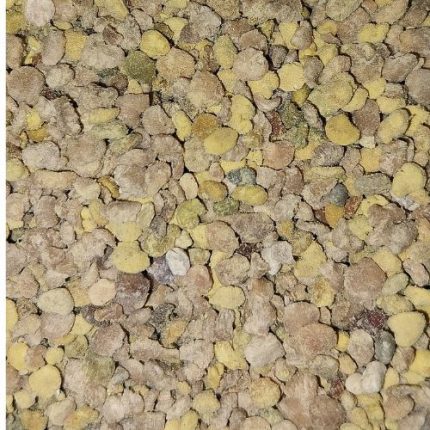
We collect and supply this through our own beekeeping operations rather than through a chain of resellers, sourced directly from the diverse floral environment of the Shivalik range. As with any naturally harvested bee product, expect some variation in colour, granule size, aroma, taste, and composition from one harvest to the next — that’s the nature of working with something this genuinely unprocessed.
A Naturally Diverse Floral Source
What sets multi-floral pollen apart is exactly this: it isn’t tied to one flower the way single-source pollen is. Bees here work across several plants through the season, and that mix shapes the character of each harvest individually.
Because of that, no two batches are guaranteed to look, taste, or smell quite the same — which, for a lot of buyers, is actually the appeal rather than a downside.
Frequently Asked Questions
What is Multi Flora Bee Pollen?
Pollen honeybees collect from a range of flowering plants rather than a single floral source.
Where does SHAHADWALE’s Multi Flora Bee Pollen come from?
From our beekeeping operations in the Shivalik forest range of Jammu.
Which plants do the bees actually forage on?
Our records mention Baansa, Curry Leaf (Kadi Patta), Gulhar, Falaayi, Safeda, Neem, Jamun, and Ber among the flowering plants and trees in that environment.
What nutrients does it naturally contain?
Proteins, carbohydrates, fats, amino acids, polyphenols, flavonoids, and enzymes — this batch tests at 22–25% protein and 30%+ carbohydrates.
How much should I take?
Start with about half a teaspoon a day, working up to 1–2 teaspoons as your tolerance allows.
How do I eat it?
Straight off the spoon, mixed with yogurt, blended into smoothies, stirred with honey, or sprinkled over cereal or salad.
Does it always look and taste the same?
No — colour, granule size, aroma, and flavour shift naturally between harvests, which is expected for a genuinely multi-floral, unprocessed product.
Is it safe for everyone?
Not necessarily. Anyone with a known pollen or bee-product allergy should be cautious, and pregnant or breastfeeding women, or anyone on medication, should check with a healthcare professional first.
What size does it come in?
A 1kg pack.
Is this a medicine?
No — it’s sold as a food product, not a medicine or a substitute for medical treatment.
Buy SHAHADWALE Multi Flora Bee Pollen — 1kg
Order online from SHAHADWALE for Multi Flora Bee Pollen sourced straight from the diverse floral environment of the Shivalik forest range in Jammu, delivered across India. For any queries contact us at online@shahadwale.com.
| Availability | In Stock |
| Category | Natural Bee Pollen |
| Weight | 1 KG, 250 G, 500 G |
| Price | ₹575 |
No reviews yet
Be the first to review this product and help other honey lovers choose!
★★★★★★★★★★Write a Review
You May Also Like